
- Discover More / Bacterial profiling
Bacterial Profiling and Characterization
Understand your bacterial isolates with confidence using SeqCoast’s comprehensive profiling pipeline. From taxonomic confirmation and strain classification to resistance gene detection and genomic comparisons, our reports deliver the insights needed for research, surveillance, and quality assurance applications.
Bacterial Profiling
What is bacterial profiling?
Bacterial profiling enables detailed characterization of bacterial isolates from whole-genome sequencing data. SeqCoast’s bacterial profiling workflow identifies bacterial species and strains, characterizes sample relatedness, detects antimicrobial resistance and virulence-associated genes, and screens for plasmids. The resulting report provides a comprehensive view of isolate identity, genomic features, and relatedness across collections of samples.
Bacterial profiling has applications across fields including:
- Microbiology and infectious disease research
- Antimicrobial resistance (AMR) surveillance and outbreak investigation
- Food safety and contamination tracking
- Public health and epidemiological studies
- Industrial, environmental, and agricultural microbiology
- Strain comparison across locations, treatments, or collection timepoints
What's included?
Our report includes accessible, publication-ready analysis results designed to help researchers, public health teams, and industry scientists quickly interpret bacterial genome sequencing data.
Publication-ready analysis results
- Fully reproducible and comprehensive report with visualizations and downloadable data.
- Standalone versions of all figures and tables.
- Clear, organized file access instructions.
Documentation of methods and citations
- Method descriptions provided for publication process.
- Software versions maintained and managed in GitHub and Seqera Nextflow.
- Citations provided for publication reference.
Quality control
- Every order is reviewed by an expert bioinformatics scientist to ensure accurate, high-quality results.
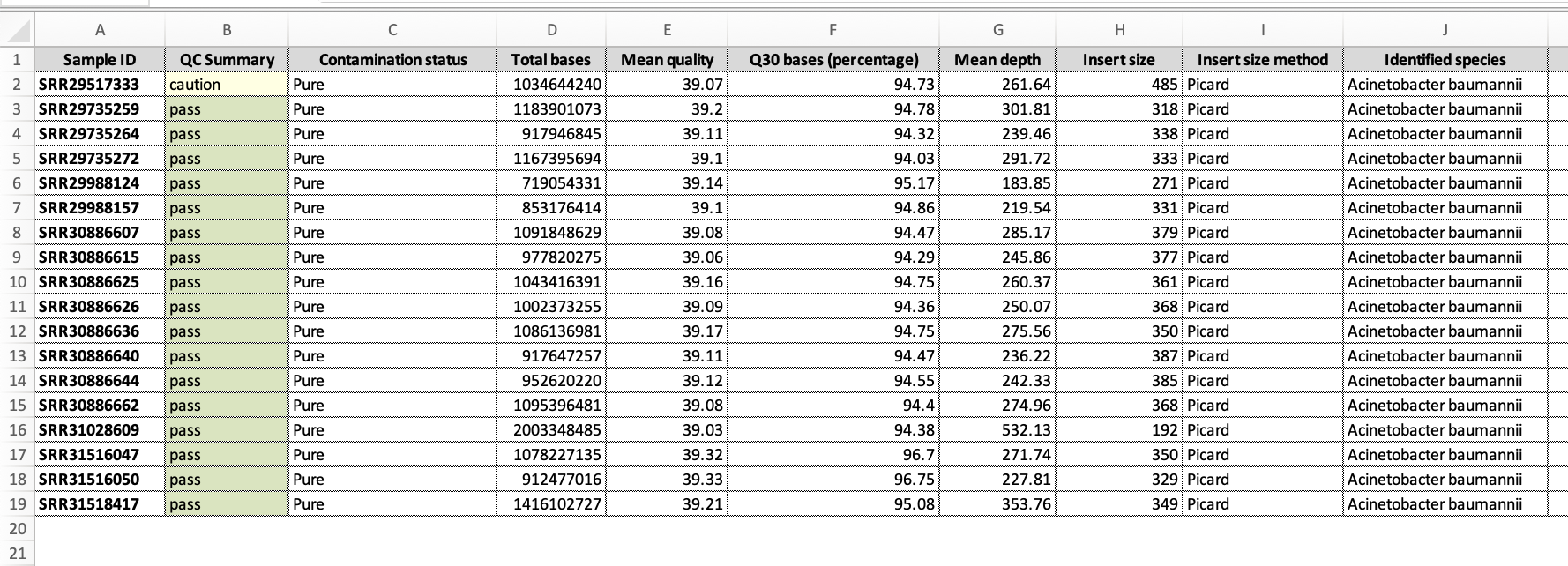
- Interactive QC reports summarize sequencing and processing quality metrics.
Analysis process
Our analyses are built with state-of-the-art computational tools and industry-standard quality control tools tailored to our workflow. Final reporting includes:
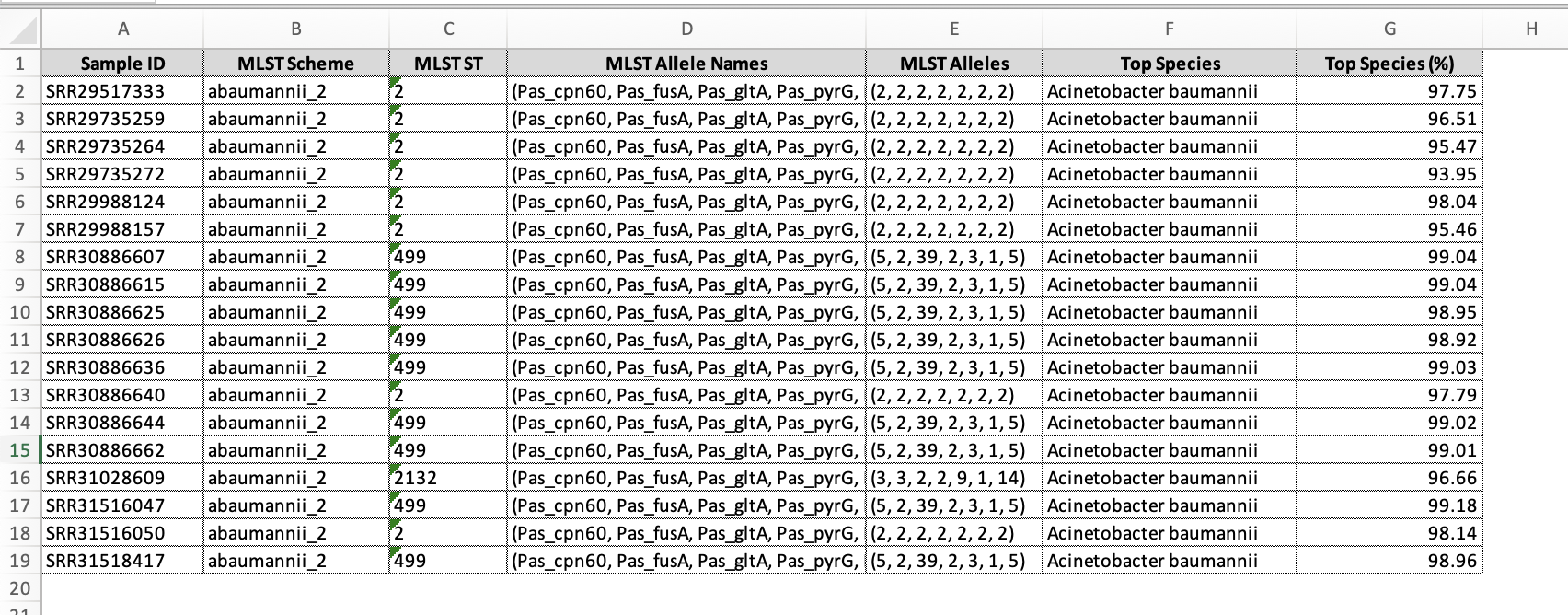
- Confirm bacterial species identity using comprehensive reference databases.
- Detect potential contamination or mixed-species samples.
- Generate standardized classifications across all isolates.
- Classify isolates into established strain types using industry-standard methods.
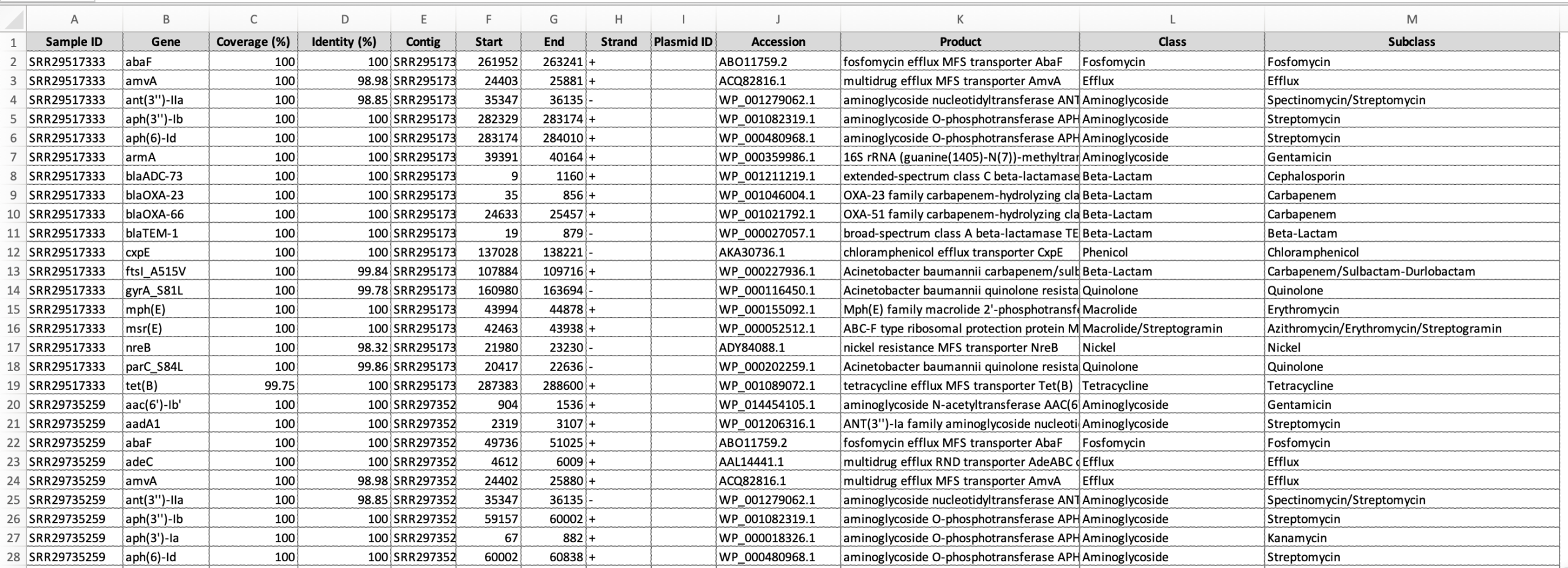
- Detect antimicrobial resistance (AMR) markers within bacterial genomes.
- Report genomic location, coverage, and sequence identity.
- Summarize resistance elements by antimicrobial class.
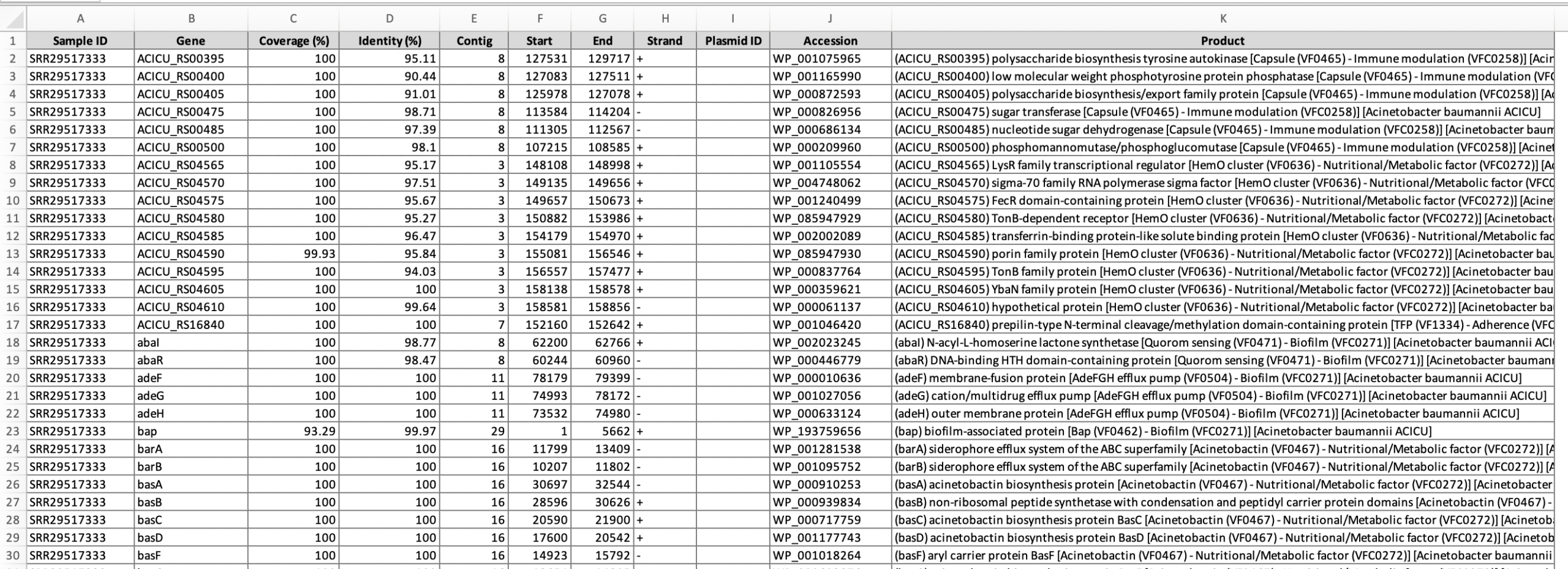
- Detect virulence-associated genes within bacterial genomes.
- Report genomic location, coverage, and sequence identity.
- Characterize virulence-associated features across isolates.
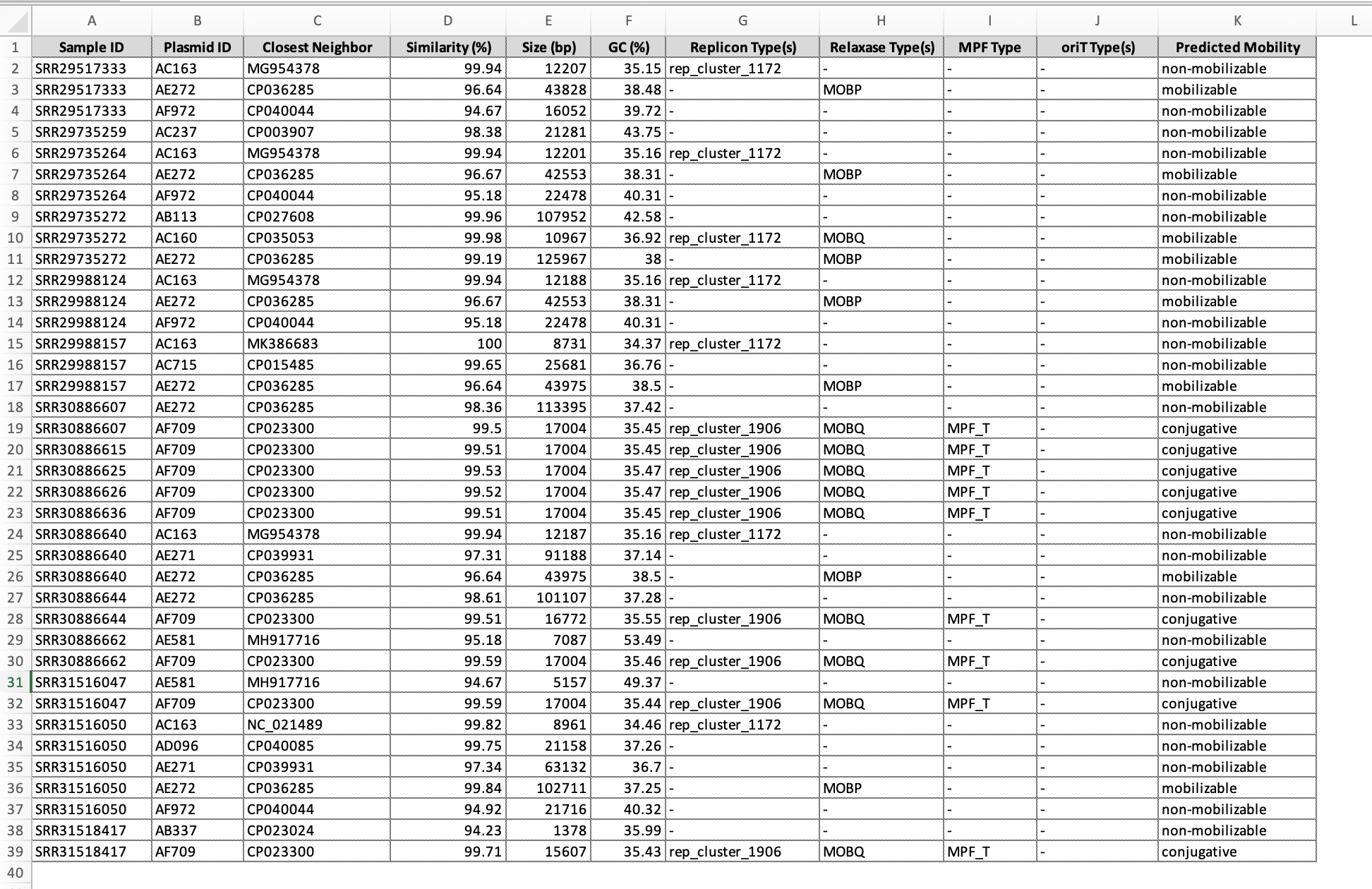
- Detect plasmid sequences.
- Predict mobility characteristics and transfer potential.
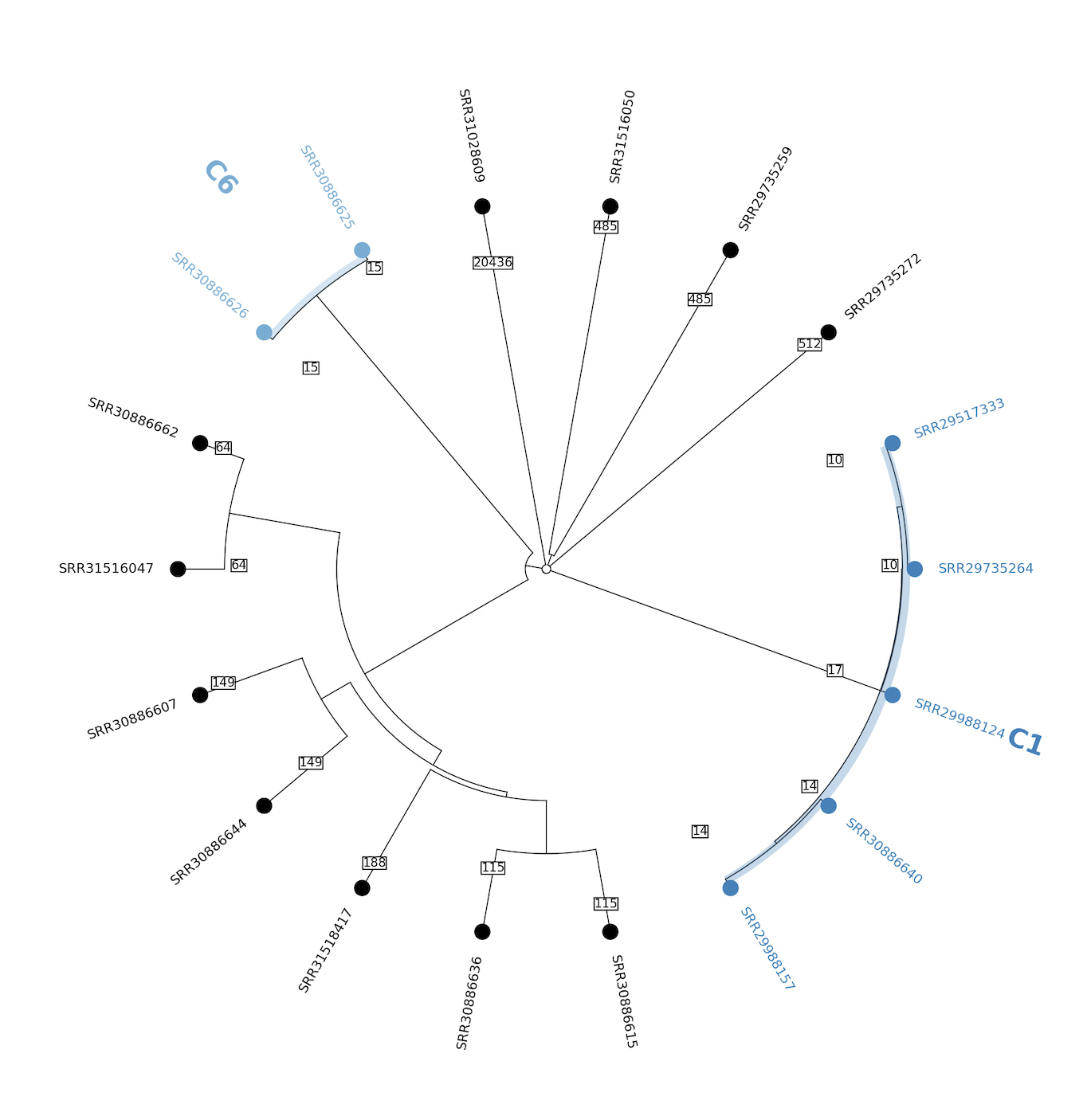
- Quantify genetic similarity between isolates using SNP-based comparisons.
- Cluster highly related samples.
- Visualize relationships through distance matrices and clustering analyses.
- In-depth quality control metrics returned to you and reviewed by expert bioinformaticians.
Need something beyond the standard workflow?
We understand that some research requires specialized attention. Customized processing, reporting, and bioinformatics analyses are available for specialized research projects.
Pricing — the more you order, the lower the price!
Why order SeqCoast analysis?
Get interpretable results, not just a folder of output files. Transform raw sequencing data into actionable insights
Save time with analysis infrastructure that's ready to scale from pilot studies to enterprise-scale projects.
Reduce cost and complexity by leveraging our established cloud computing environment and validated workflows.
Accelerate research with rapid turnaround times and high-throughput processing capabilities.
Skip building and maintaining a bacterial profiling pipeline of your own, at any batch size.
Trust your results with rigorous QC, proven pipelines, and expert scientific review.
Data delivery, security, and access
- Our analysis pipelines are managed by bioinformatics experts using modern, version-controlled workflow frameworks that enable standardized, documented, and reproducible analyses.
- We maintain security controls designed to protect customer data throughout the data lifecycle. All data are produced and analyzed on USA-based equipment and AWS cloud infrastructure. Learn more about our world-class informatics processes here.
We make it easy to access your data!
- Data delivery options include SFTP Download, AWS transfer, Box.com, and alternatives on request.
- Data are stored on AWS cloud infrastructure in the United States, providing scalable storage, high availability, and industry-recognized security controls.
Frequently Asked Questions
Can this pipeline be run iteratively/longitudinally?
Yes! The bacterial profiling pipeline can be run iteratively, with additional samples added across a series of runs. If you have specifically ordered iterative analysis, SeqCoast Genomics will ensure that the data needed for future pipeline inputs is stored appropriately.